
What landscaping materials work best in desert climates?
- Rocket Media
- 2 days ago
- 3 min read

Desert climates present unique challenges for landscaping. With intense heat, scarce water, and poor soil conditions, choosing the right materials can make or break your outdoor space. Selecting what landscaping materials work best in desert climates means focusing on durability, water efficiency, and natural beauty that complements the arid environment. This guide explores top materials that not only survive but thrive in desert settings, helping you create a sustainable and attractive landscape.

What landscaping materials work best in desert climates?
Gravel and Decomposed Granite
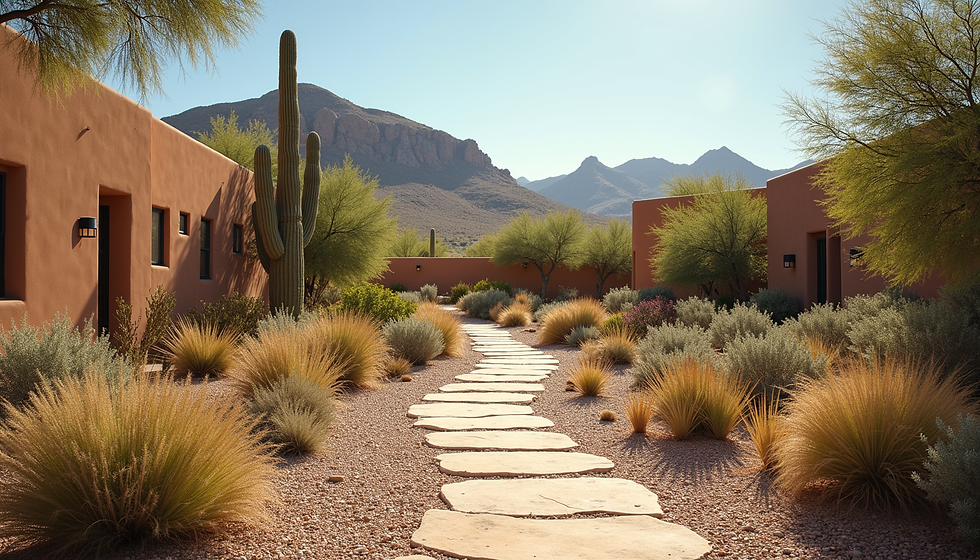
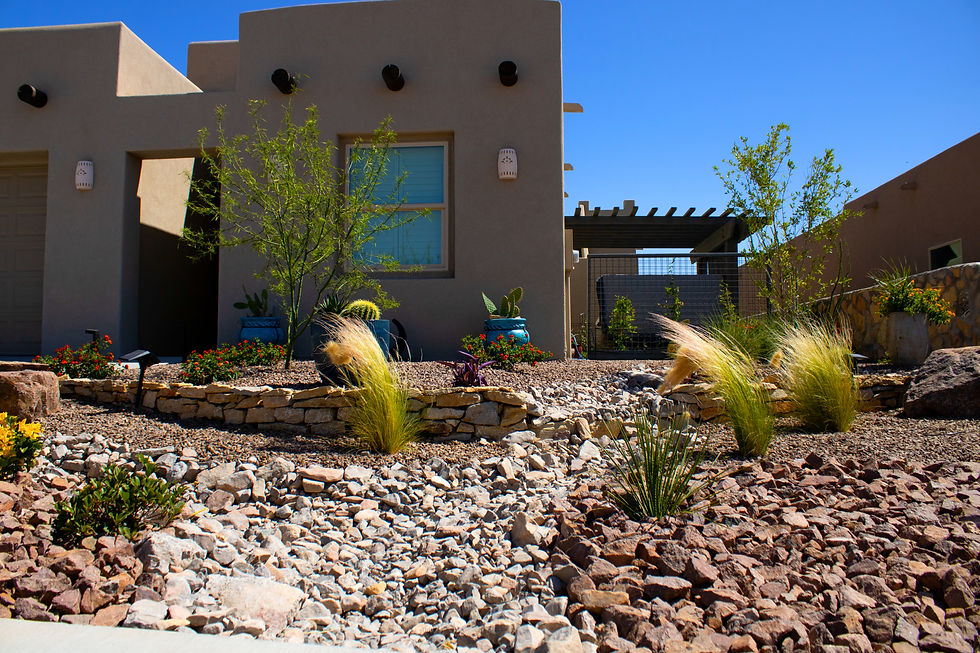
Gravel and decomposed granite are among the most popular materials for desert landscaping. They provide excellent drainage, reduce soil erosion, and reflect heat, keeping the ground cooler.
Gravel comes in various sizes and colors, allowing for creative designs.
Decomposed granite compacts well, making it ideal for pathways and patios.
Both materials require minimal maintenance and do not need watering.
They help prevent weed growth when used with landscape fabric underneath.
Using gravel or decomposed granite creates a natural look that blends seamlessly with desert surroundings. These materials also reduce water runoff, which is crucial in dry areas.
Native and Drought-Tolerant Plants
Plants are a vital part of any landscape, but in desert climates, choosing the right species is critical. Native and drought-tolerant plants conserve water and withstand extreme temperatures.
Some excellent choices include:
Agave: Known for its striking rosette shape and low water needs.
Desert Marigold: Bright yellow flowers that bloom for months.
Red Yucca: Tall flower spikes with red blooms, very hardy.
Sagebrush: Aromatic shrub that thrives in poor soil.
Cacti: Various species provide texture and interest without much water.
These plants reduce irrigation needs and attract local wildlife like hummingbirds and butterflies, enhancing your garden's ecosystem.
Mulch Options for Desert Landscapes
Mulch helps retain soil moisture, regulate temperature, and suppress weeds. In desert climates, choosing the right mulch can improve plant health and reduce water use.
Rock mulch: Small stones or pebbles that do not decompose, ideal for long-term use.
Organic mulch: Wood chips or bark that break down slowly, adding nutrients to the soil.
Rubber mulch: Made from recycled tires, it lasts long and controls weeds but does not improve soil quality.
Rock mulch is often preferred in deserts because it reflects heat and requires no replacement. However, combining rock mulch with organic mulch around plants can balance moisture retention and soil enrichment.
Concrete and Pavers for Hardscaping
Hardscaping materials like concrete and pavers provide structure and functionality to desert landscapes. They create patios, walkways, and seating areas that withstand harsh conditions.
Concrete is durable and can be stamped or colored to mimic natural stone.
Clay or concrete pavers come in various shapes and sizes, allowing for custom patterns.
Porous pavers improve drainage, reducing water pooling after rare desert rains.
Using these materials reduces the need for lawn areas, which consume a lot of water. They also offer cool surfaces when shaded properly, making outdoor spaces more comfortable.

Xeriscaping Principles and Materials
Xeriscaping is a landscaping method designed specifically for water conservation. It combines the best landscaping materials for desert climates with smart design.
Key principles include:
Grouping plants with similar water needs.
Using efficient irrigation systems like drip irrigation.
Incorporating mulch and rocks to reduce evaporation.
Selecting native and drought-resistant plants.
Materials like gravel, decomposed granite, and stone are staples in xeriscaping. This approach reduces water use by up to 50-75% compared to traditional lawns, making it ideal for desert homeowners.
Benefits of Using Recycled and Sustainable Materials
Sustainability is increasingly important in landscaping. Using recycled or sustainable materials helps reduce environmental impact and often fits well with desert aesthetics.
Examples include:
Recycled concrete aggregate for pathways.
Reclaimed wood for garden borders or benches.
Rubber mulch made from recycled tires.
Locally sourced stone to reduce transportation emissions.
These materials often last longer and require less maintenance, saving money and resources over time.
Tips for Maintaining Desert Landscaping Materials
Even the best landscaping materials for desert climates need proper care to last and look their best.
Regularly remove debris from gravel and rock mulch to prevent weed growth.
Check irrigation systems to avoid overwatering or dry spots.
Prune drought-tolerant plants to encourage healthy growth.
Replenish organic mulch annually to maintain soil health.
Clean hardscape surfaces to prevent staining and heat buildup.
Proper maintenance ensures your desert landscape remains attractive and sustainable year-round.

Comments